NIJOLOY HOME MADHYAMGRAM
Skill development, capacity building, and livelihood promotion are critical components of the rehabilitation and socio-economic reintegration process for women residing in shelter homes. While the rescued and vulnerable women at NIJOLOY Home, Madhyamgram, receive care and protection under the Government-supported Shakti Sadan Scheme, vocational training activities are not covered under the scheme's provisions.
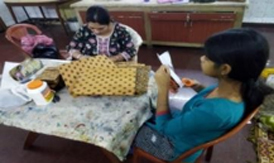
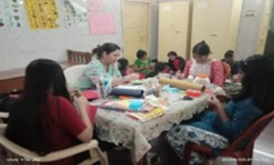
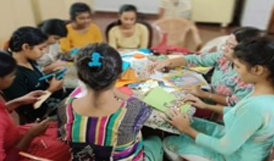
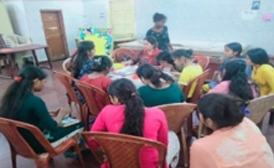
To address this gap, Women's Interlink Foundation (WIF) implements a dedicated vocational training programme that adopts a multi-pronged approach to craft-based skill development for women who have survived violence, abuse, and trafficking. The initiative focuses on equipping beneficiaries with practical and marketable skills, enhancing their self-confidence, and creating opportunities for sustainable self-employment and income generation.
By promoting economic independence and strengthening livelihood capacities, the programme plays a vital role in supporting the long-term rehabilitation, social inclusion, and empowerment of women, enabling them to rebuild their lives with dignity and self-reliance.
Project Objectives:
Skills provided to beneficiaries
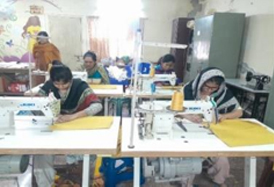
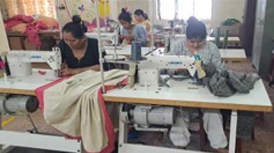
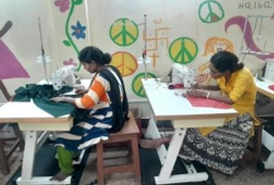
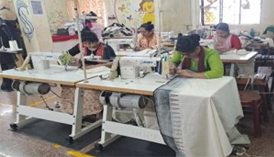
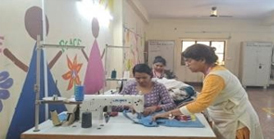
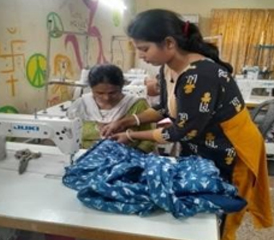
WIF provides training facilities to 50 young women, girls and of the Nijoloy Home Madhyamgram and Childcare Home in skills such as:
SPICE UNIT NIJOLOY HOME MADHYAMGRAM
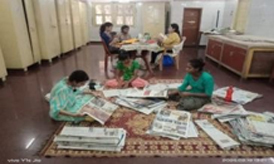
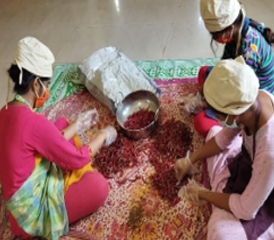
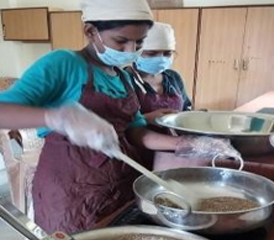
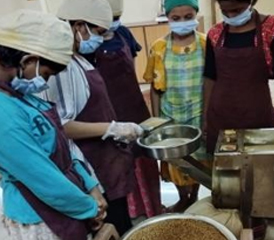
The Spice Processing Unit at Nijoloy Home provides vocational training and livelihood development opportunities to approximately 8–10 women residents. Through this programme, participants receive hands-on training in spice processing, including cleaning, grinding, blending, packaging, and quality control, enabling them to develop practical skills with income-generating potential.
The spices processed by the trainees are utilized in the kitchens of WIF’s three shelter homes, contributing to the daily nutritional requirements of resident girls and women. This initiative not only promotes skill development and self-reliance among beneficiaries but also encourages productive engagement, enhances employability, and supports the overall rehabilitation process through meaningful livelihood-oriented activities.
SKILL DEVELOPMENT PROJECT IN JALPAIGURI
Jalpaiguri is recognized as one of the trafficking-prone districts of West Bengal due to its geographical proximity to international borders, making it both a source and transit point for trafficking. Under the Shakti Sadan programme, Nijoloy Home, Jalpaiguri, provides care, protection, rehabilitation, and reintegration support to women and girls affected by trafficking, exploitation, and other forms of vulnerability.
Recognizing that skill development and livelihood generation are essential components of rehabilitation, WIF implements a comprehensive vocational training programme focused on practical, hands-on learning. During the year, approximately 40 girls and women participated in 6–7 hours of regular training sessions across a range of trades, including Tie & Dye, Tailoring, Food Processing, Paper Bag Making, and Jewellery Making.
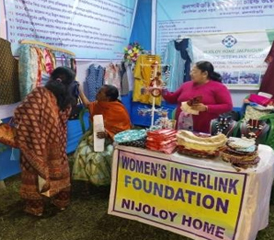
The products created by the trainees are marketed and sold through the Karmatirtha Stall, providing beneficiaries with valuable exposure to market systems and entrepreneurship. By equipping women and girls with marketable skills and income-generating opportunities, the programme enhances their employability, promotes self-reliance, and supports their successful socio-economic reintegration into society. The initiative ultimately aims to empower survivors through sustainable livelihood opportunities and long-term economic independence
We believe in developing and working with networks at community, national and international levels with a rights based approach.