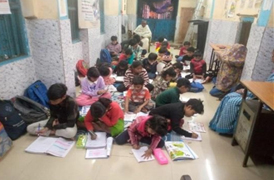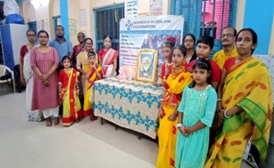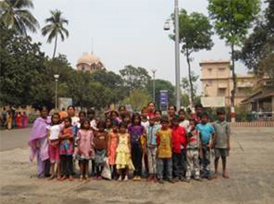
Sonagachi, located in North Kolkata, is one of the largest red-light areas in the city and is home to a large population of women engaged in prostitution. Children growing up in such environments are often exposed to multiple vulnerabilities, including neglect, lack of supervision, limited access to education, unsafe living conditions, and an increased risk of exploitation, abuse, and trafficking. The absence of a supportive social environment significantly hinders their physical, emotional, and educational development, while adolescent girls remain particularly vulnerable to intergenerational entry into the sex trade.
Recognizing these challenges, Women's Interlink Foundation (WIF) initiated Drop-in Centres to provide a safe and supportive space for children of women in prostitution. These centres aim to protect children from harmful influences, facilitate access to education and developmental opportunities, and promote their overall well-being. The first centres were established in Sonagachi and Din Bazar in 2000, followed by the Changrabandha Centre in 2003, extending support to vulnerable children in red-light areas across West Bengal.
Project objective: To provide integrated services such as education, nutrition, health care, recreation for comprehensive development of children of women in prostitution.
Project Area: Sonagachhi in Kolkata, Din Bazar redlight area in Jalpaiguri, Changrabandha in Cooch Behar.
No. of Beneficiaries:
Activities
The Non-Formal Education programme continued to provide foundational learning opportunities for children, enabling them to develop basic literacy and numeracy skills. Through regular educational sessions, children have made significant progress in learning alphabets, numbers, and other essential concepts. To support the learning process, WIF provided a range of educational materials, including books, charts, counting slates, and other teaching aids.
The programme is implemented with the active involvement of a teacher and helper drawn from the local community, fostering trust and community ownership. Regular attendance by the children and the strong encouragement provided by their mothers reflect the growing awareness of the importance of ed ucation and the positive impact of the programme on their development.
Nutrition:
To support the health and overall development of the children, nutritious snacks are provided on a daily basis through a structured nutrition programme. The menu is designed to offer variety and balanced nutritional intake, with items such as sweet buns, puffed rice with soaked gram, fresh salads, and biscuits served on a rotational basis. This initiative helps address the nutritional needs of children from vulnerable backgrounds and contributes to their physical well-being, growth, and readiness for learning.
Health:
Health check up at the centre is conducted once a month.
ACHIEVEMENTS:
We believe in developing and working with networks at community, national and international levels with a rights based approach.