CENTRE FOR STREET AND SLUM CHILDREN – KALIGHAT SASAN & KUMURTULLY CENTRE
Since 1992, Women's Interlink Foundation (WIF) has been working in the Burning Ghat area of Kalighat and the slum communities of Kumartuli, implementing integrated women, child, and community development programmes. The organisation’s interventions focus on addressing the needs of vulnerable populations through education, prevention of violence and exploitation, protection of basic rights, and the rescue, rehabilitation, and reintegration of trafficking survivors. With the support of its partners, WIF has been implementing sustained community-based initiatives in the Kalighat Sasan and Kumartuli areas since 1997.
The Sasan slum, located along the banks of the River Ganges in the Kalighat area, has an estimated population of approximately 6,500. Residents are primarily engaged in informal occupations such as cremation-related services, rickshaw pulling, driving, sanitation work, and domestic labour. Children growing up in these communities often face limited access to education, supervision, and developmental opportunities, increasing their vulnerability to social exclusion and exploitation.
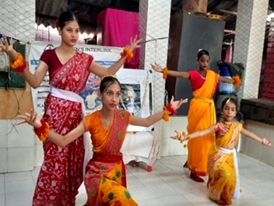
In response, WIF provides educational support and community-based interventions aimed at promoting literacy, personal development, and life skills among children and adolescents. These efforts seek to create opportunities for improved livelihoods, strengthen resilience, and support the long-term social and economic development of vulnerable families within the community.
Services provided are as follows:
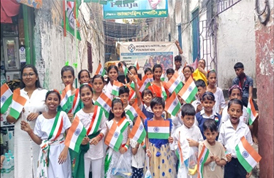
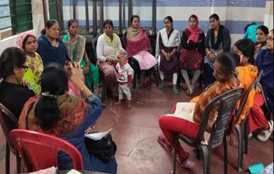
During the year, a total of 115 children, along with their mothers, benefited from the programme’s educational and community development interventions. One of the notable achievements of the project has been the strengthening of community cohesion and increased awareness among families regarding the importance of education and child development.
The programme contributed to encouraging educational attainment among children, with two students successfully passing the Madhyamik Examination and three students passing the Higher Secondary Examination. While significant progress has been made in promoting education and child welfare, challenges related to child marriage continue to persist in the community. WIF remains committed to addressing these issues through awareness generation, community engagement, and collaboration with relevant stakeholders to ensure the protection and rights of children.
We believe in developing and working with networks at community, national and international levels with a rights based approach.